
Description
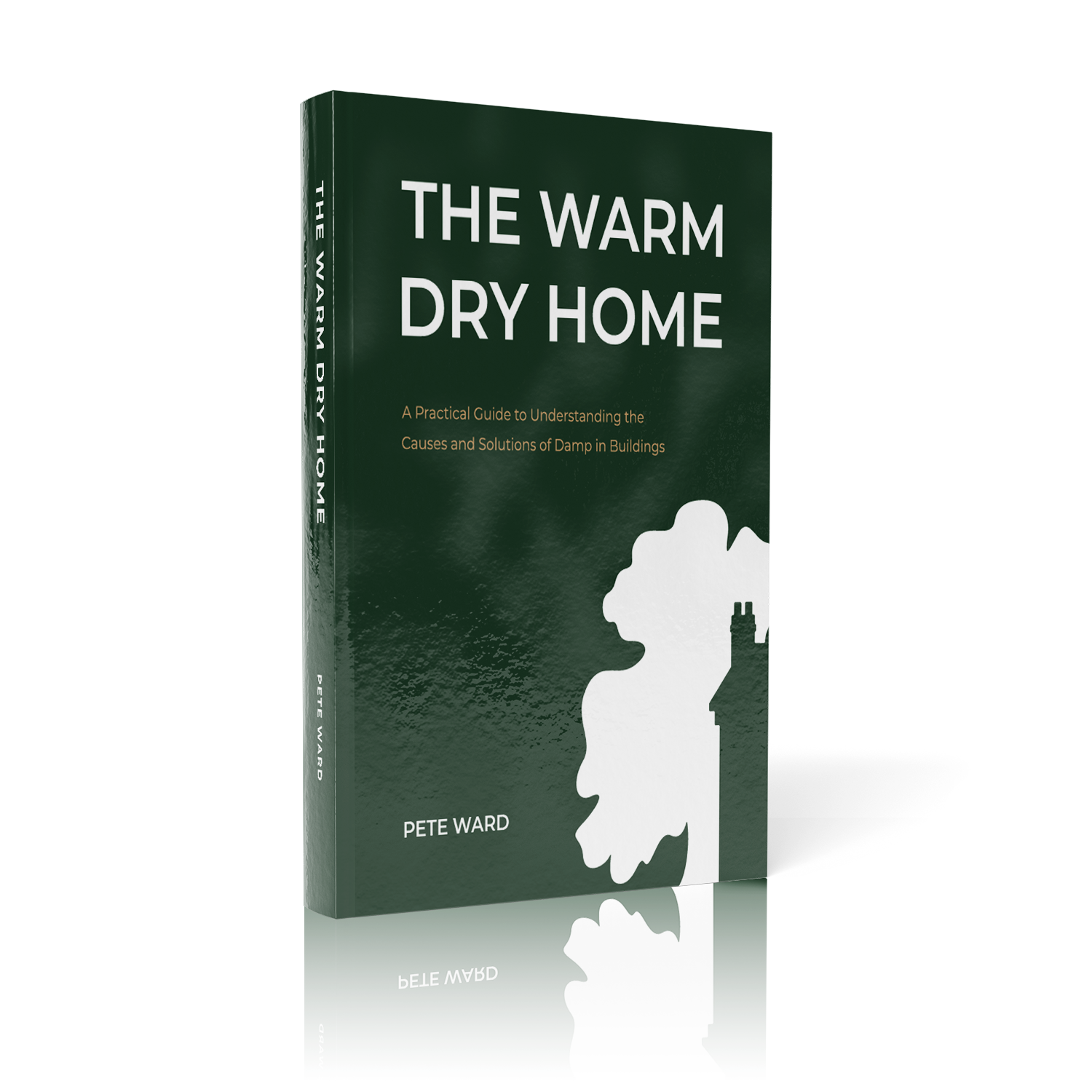
The Warm Dry Home:
Whether you live in a Victorian brick terraced house, or a 7 bedroom Cotswold stone country mansion, this book is for you.
Home owners, Building Surveyors, Architects, Engineers, Builders and Environmental Health Officers will also learn from a wealth of easily understood information. It will help prevent dampness, mould and disrepair in the buildings they work with, and correct existing problems. They will never again resort to chemical injection, tanking or timber treatment.
Packed with practical advice to help understand the building environment, the book breaks down common mis-understandings as to why houses become cold and damp. Hundreds of photos and clear, easy to understand diagrams illustrate the book.
The author de-bunks the myth of rising damp, and explains the simple science behind the reasons for damp problems.
The book explains how to keep the home environment warm and healthy, by managing lifestyle and becoming aware of the sources of moisture that cause damp problems.
The author is a well-known advocate against any form of damp proofing. His YouTube channel and websites are packed with useful information. This book collects the experience of many years of building surveys into a single, easily understood volume.
Note: Price includes Post and Packing in UK only. Orders for Eire and the EU will incur additional postage charges which are added at checkout.
Returns Policy: Books can only be returned if unopened, and untouched by human hand, in the original sealed cardboard wrapper. We suggest using Royal Mail parcels. We cannot offer refunds for opened, or damaged books due to health grounds. We will refund cost of book less our shipping and handling charges. Any claim for non-delivery must be made within 14 days of order due to carrier restrictions on claims.



vh (verified owner) –
Excellent book, huge amount of detail, and written in an easy to understand style. Plenty of images, all in full colour, well presented. This book is an absolute ‘must have’ for any home owner and anyone owning an old building.
Fantastic resource which will be an incredible resource for years to come. Thank you for writing this.
Darren –
A must have book for anyone with a traditional and / or listed building. Essentially I recommend this as the core starting point for anyone with a building older that 1919. If you can understand the principles outlined in this book, which are very clearly written about and well illustrated, then it would be hard to go wrong with your building. The information in this book can save the average homeowner quite literally thousands of pounds.
Andy Norman –
Great book Pete!!!
My go to book for all damp problems.
Natural remedies is the way to go.
Keep up the good work.
Roz Artis –
Rosamond (Roz) Artis Director, Scottish Lime Centre recommends reading ‘The Warm Dry Home’ by Pete Ward – a long time anti ‘damp industry’ campaigner. It sheds light on the causes of damp, its effect in building fabric and on our health. The book also deals with the causes of condensation which are little understood by the lay person.
This book explains the history of the ‘damp industry’ in the UK (we are almost the only country in the world with this phenomenon) and seeks to explain the different types of dampness and the great myth of ‘rising damp’ which doesn’t even exist!
The author gives a fascinating explanation of the ‘science of water’ (which is the only ‘chemical that can exist in 3 states – a gas, liquid and solid) and is “the single most destructive force that causes decay and deterioration of a building.”
Put very succinctly, Pete Ward explains in a very relatable way “what really causes dampness in buildings, (which are): Physical faults that let water in; whether or not it is built with breathable materials (in the context of a traditional building) and what we actually do inside buildings to create moisture from our lifestyle.”
This book goes onto give very practical advice on what to look for when dealing with dampness in buildings and how to fix issues without having to resort to chemical injections, tanking or timber treatments.
There are very good graphics and photographs to vividly illustrate examples of science, problems and appropriate solutions and make the whole experience a thoroughly informative read on all sorts of levels. Put simply – this book does what it says on the tin, and should be a ‘must’ for all homeowners, architects, surveyors, engineers, contractors and environmental health officers!